Behind the Scenes
Music and Sound in Short Dramas: How the Audio Does the Work
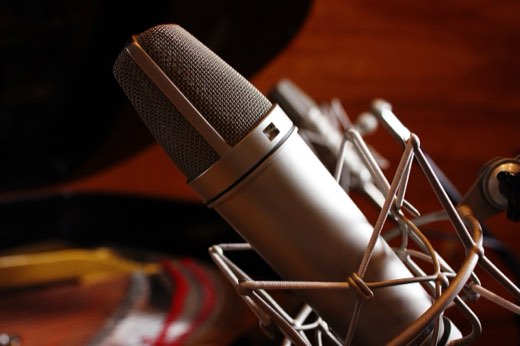
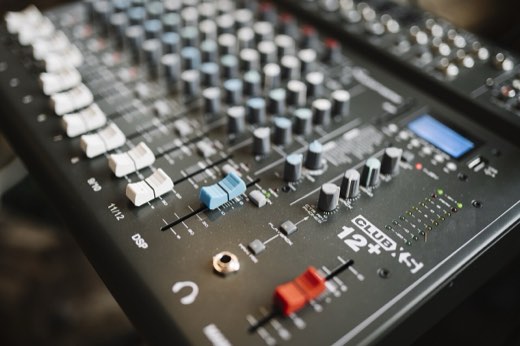
Stings, swells, whooshes and silence: how short dramas use music and sound effects to signal emotion in seconds, and what that means for viewers and makers.
How short dramas are written, filmed, framed and localised for audiences around the world.
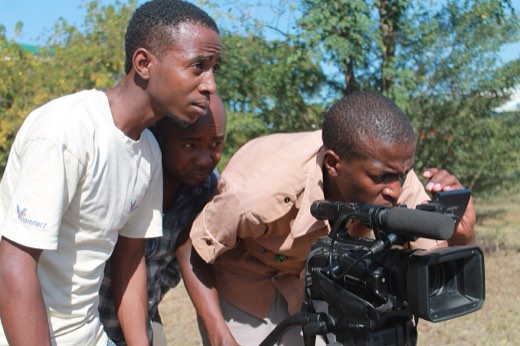
Image: Mattbr, Wikimedia Commons, CC BY 2.0
Short dramas are made very differently from television. Scripts are written for vertical screens and minute-long episodes, entire series are often filmed in a matter of days, and popular stories are adapted, dubbed or reshot for new markets.
This section explains the craft and the industry in plain language, without relying on rumours or unverified figures.
Stings, swells, whooshes and silence: how short dramas use music and sound effects to signal emotion in seconds, and what that means for viewers and makers.
Some short dramas are dubbed, some subtitled and some reshot with new casts. How localisation works, how to spot each approach, and what it means for viewers.
From online serial fiction and short-video platforms to dedicated apps around the world: a cautious overview of how vertical short dramas grew into an international format.
Close-ups, stacked compositions and props held near faces: how filmmakers compose scenes for a vertical phone screen, and what it changes about storytelling.
Short dramas are often filmed in days rather than months. How fast production schedules shape locations, lighting, acting and the look of the finished show.
Short drama scripts follow a tight rhythm: a hook, a turn, an escalation and a cliffhanger, repeated dozens of times. How writers plan a whole series around the minute-long episode.