The Rags-to-Riches Makeover Trope: Why Transformations Hook Viewers
The underestimated heroine who walks into the room transformed: how makeover scenes are built in short dramas, why they work, and what to watch out for.
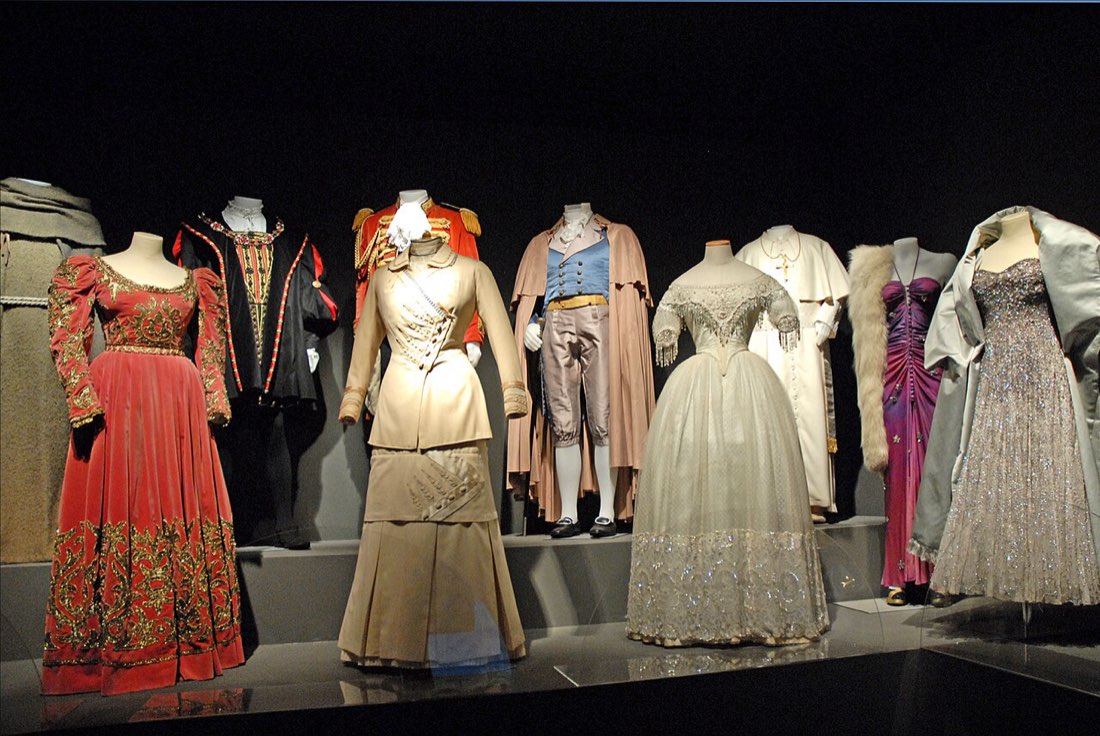
Few moments in short dramas are as recognisable as the makeover. An overlooked heroine, mocked for her clothes or her background, steps out of a car in a new dress, and the room falls silent. The scene borrows from fairy tales and classic films, and short dramas have made it one of their favourite payoffs.
How the trope is built
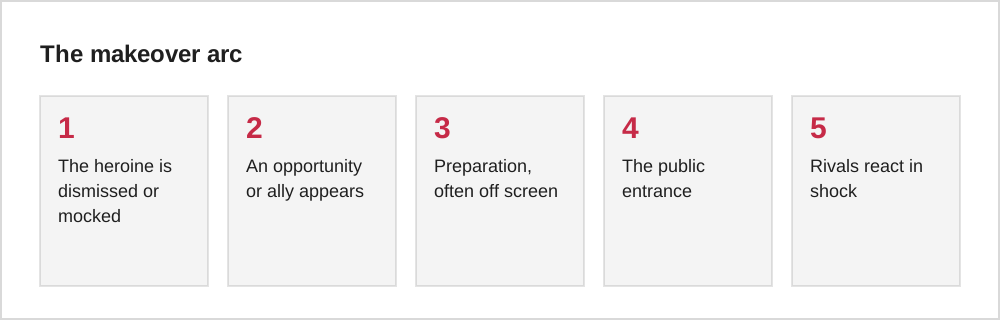
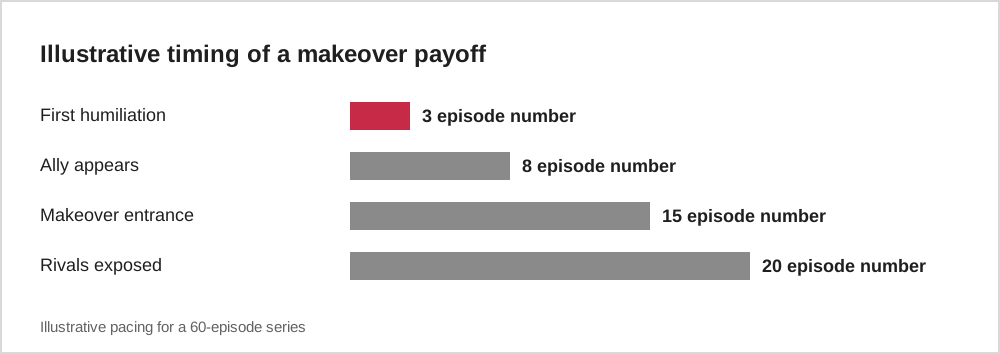
The makeover rarely stands alone. It usually pays off an earlier humiliation, such as being turned away from a party, mocked by a sister or dumped for someone more glamorous. The bigger the earlier insult, the more satisfying the entrance.
Why it works in short episodes
- It is visual. A change of clothes, hair and posture can be shown in seconds without dialogue.
- It delivers a clear payoff. Viewers have waited for the heroine to be recognised, and the entrance gives them that moment.
- It is easy to stage. A doorway, a staircase or a red carpet is enough.
- It creates reaction shots. Shocked rivals and admiring onlookers give editors plenty to cut between.
The most effective makeover scenes hold on the reactions of the people who underestimated the heroine. The audience enjoys their surprise as much as the transformation itself.
Common versions
| Version | Typical set-up |
|---|---|
| The gala entrance | A heroine arrives at a party where she was expected to be humiliated |
| The office return | A dismissed employee comes back as a director or investor |
| The hidden heiress | A "poor" girl is revealed as the daughter of a powerful family |
| The ex's wedding | A rejected partner appears at the wedding looking transformed |
| The skill reveal | Instead of clothes, the heroine reveals a talent, such as music or design |
The skill reveal is worth noting. Some newer series move away from appearance alone, letting the heroine win recognition through ability. Viewers often find this more satisfying, because the transformation feels earned.
What to watch for
The trope can send a narrow message if the heroine's worth depends entirely on looking expensive. The best versions show that she was valuable all along; the makeover simply forces others to see it. Watch for whether her character changes too: does she gain confidence and make choices of her own, or does she simply wait to be dressed and rescued?
It is also worth noticing who pays for the transformation. If it is always a wealthy man, the story may tie the heroine's rise entirely to his approval. Series that let her earn her own place, through work, skill or courage, tend to age better.
Pairings with other tropes
The makeover pairs naturally with the secret billionaire, where a powerful partner provides the means, and with revenge dramas, where the transformed heroine returns to confront those who wronged her. It also fits hidden identity stories, where the new look reveals who she really was.

Writing your own makeover scene
If you are writing one, plan the earlier humiliation first and make it specific. Then decide where the entrance happens and who must be present to see it. Keep the transformation itself brief; spend the screen time on reactions and on the first thing the heroine says, which should show that she has changed inside as well as out.
Common questions
Why are makeover scenes often in slow motion?
Slowing down the entrance stretches a few seconds of footage into a longer, more dramatic moment, and gives time for the music to swell and for reactions to register.
Is the makeover trope only for female characters?
No. Some series give male characters a similar arc, such as a dismissed son-in-law who returns in a suit as the head of a company. The structure is the same.
The short version
The makeover trope pays off an earlier humiliation with a public transformation that leaves rivals speechless. It works because it is visual, quick and satisfying. The strongest versions show the heroine's worth through her choices and skills, not just her new clothes.