Short Dramas: A Practical Guide for Parents
What vertical short dramas are, what themes they contain, how the apps charge, and the settings and conversations that help families handle them sensibly.
If your teenager has started watching one-minute dramas on a phone, you may be wondering what they are, whether they are suitable and why they seem to cost money. This guide explains the format in plain language and suggests practical steps that work for most families. It is general information, not a rating of any particular series.
What your child is watching
Vertical short dramas are scripted series made for phones. Each episode lasts a minute or two and ends on a cliffhanger. Stories are usually romance, revenge or family conflict, told quickly and with strong emotions. Most are made for adults, although many are not explicit. Our introduction to the format gives more background.
| Common theme | What it often involves |
|---|---|
| Romance | Secret billionaires, contract marriages, jealousy |
| Revenge | Betrayal, humiliation and payback |
| Family conflict | Inheritance fights, cruel step-relatives |
| Fantasy | Werewolf packs, reincarnation, time travel |
| Workplace | Arrogant bosses, office rivalries |
Many series include slaps, threats, kidnappings, cheating and controlling partners. Violence is usually brief and stylised, but the relationships shown are not always healthy ones.
Where the money goes
Most short drama apps are free to download and charge for episodes after the first few. Payment happens through coins bought in packs, weekly or monthly passes, or by watching adverts. Small purchases add up quickly, and auto-renewing passes are a common source of unexpected charges on family accounts.
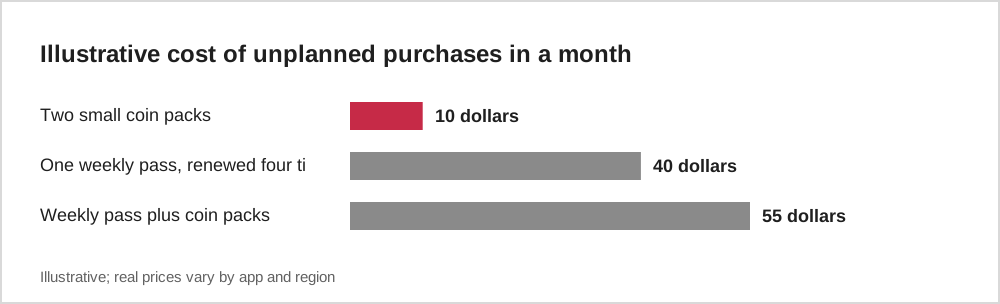
Our guides to coin systems and weekly passes explain how to work out real costs.
Settings that help
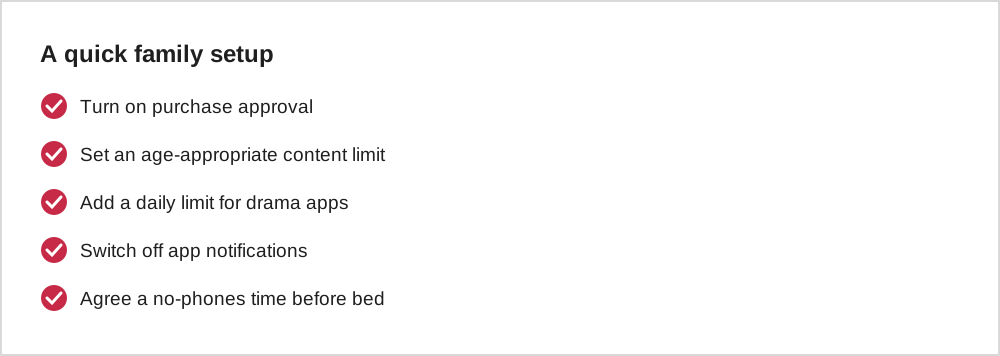
- Purchase approval. Apple's Family Sharing with Ask to Buy and Google Play's family features can require a parent's approval before any purchase.
- Age restrictions. App stores let you limit apps by age rating on a child's device or account.
- Screen time limits. iPhone Screen Time and Android Digital Wellbeing or Family Link can set daily limits and downtime.
- Notifications. Turning off app notifications reduces late-night prompts to keep watching.
- Subscriptions list. Check active subscriptions in the store settings every month.
Talking about the stories
Banning short dramas outright often just moves viewing out of sight. Many families find it more useful to watch an episode or two together and talk about what is going on. Short dramas lend themselves to simple questions: is this how a good partner behaves? Why does the story want us to cheer at this moment? What would happen in real life?
These conversations help young viewers recognise that controlling or possessive behaviour, often shown as romantic in the genre, is not healthy. They also make it easier for children to come to you if they see something that upsets them or if they spend money they did not mean to.
The goal is not to make short dramas forbidden, but to make them one choice among many, watched with an understanding of how they work.
Sleep and attention
The format is built to make stopping difficult, and it is often watched in bed. For teenagers, the main risk is lost sleep rather than any single episode. A shared household rule, such as phones charging outside bedrooms overnight, tends to work better than trying to monitor individual apps.
If you notice signs that viewing is crowding out sleep, homework or friends, a calm conversation about patterns works better than punishment. Our healthy binge habits guide includes ideas that teenagers can apply for themselves.
Spotting fake apps and scams
Children are often targeted by adverts for look-alike apps or "free full episodes" sites. Explain that the official app stores are the safest source, that adverts can be misleading and that any app asking for payment before showing content is a warning sign. Our guides to fake drama apps and unofficial streaming sites cover the details.
Common questions
Are short dramas age-rated?
Apps carry an app store age rating, but individual series are not always rated separately, and content varies widely within one app. Treat the app rating as a minimum guide rather than a guarantee.
What if my child has already spent money?
Check the purchase history in the app store, cancel any active subscriptions and, if purchases were unauthorised, request a refund through the store's official process. Our refunds guide explains the steps.
The short version
Short dramas are fast, emotional stories mostly made for adults, sold episode by episode. Turn on purchase approval and screen time limits, check subscriptions monthly and talk about the stories together. That combination handles most of the problems families run into.